




A bad forecast can take the grid down.
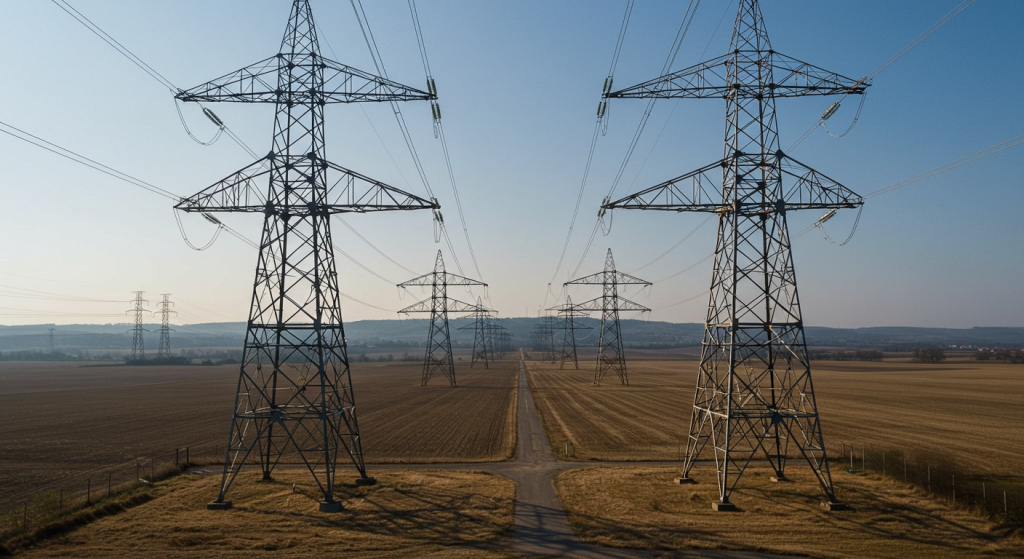
Solar and wind now meet roughly a quarter of India's daytime grid demand. A poor day-ahead forecast forces utilities to curtail clean power or fire up emergency reserves, costing the system billions every year.
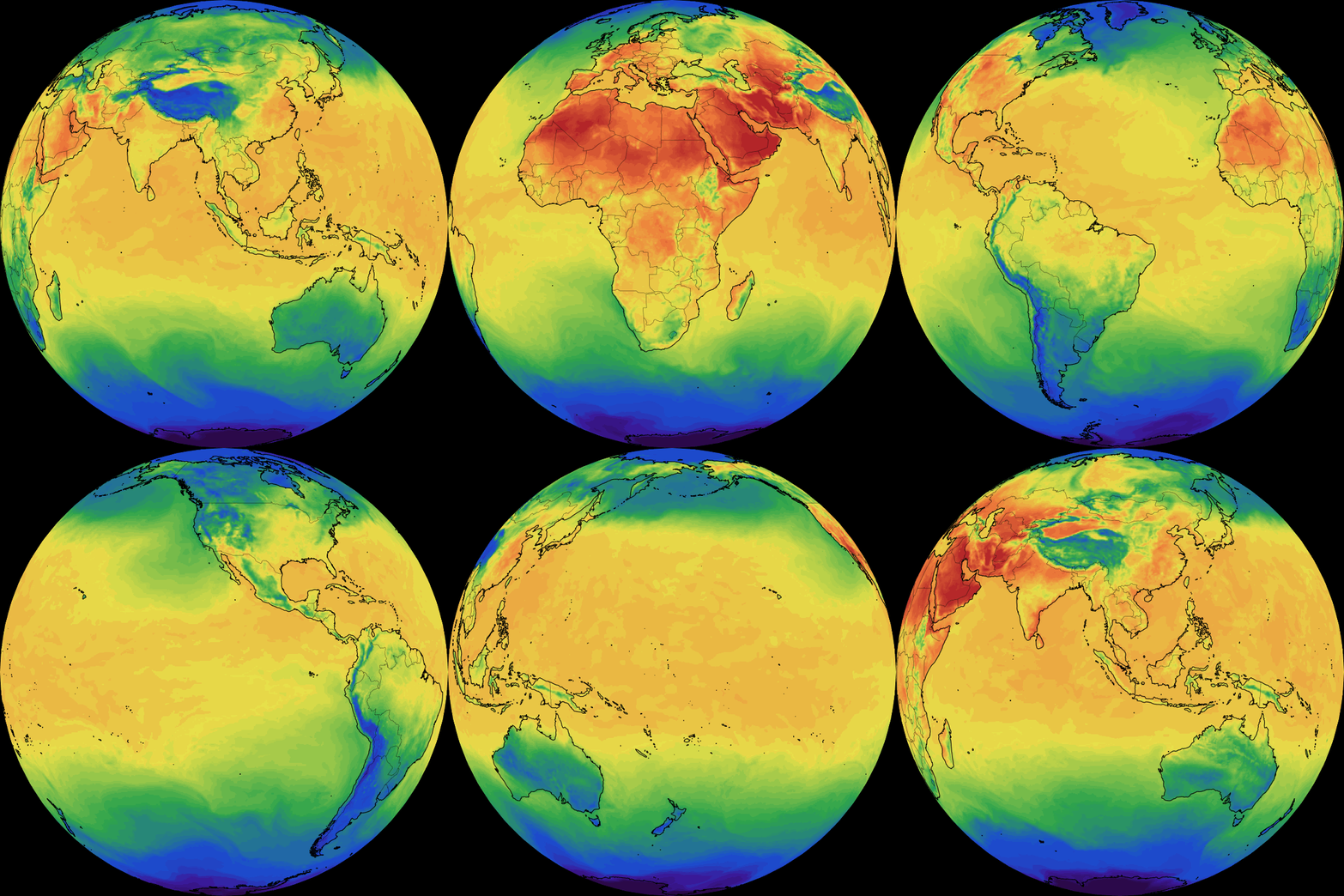
Existing AI weather models look brilliant on global averages. They fail where it matters most: across India, Africa, and Latin America, where the observation gap is widest and the climate stakes are highest. INDUS is the AI weather model built for those regions, by an AI lab from Stanford.
Built by engineers, scientists and researchers from

Solar and wind now meet roughly a quarter of India's daytime grid demand. A poor day-ahead forecast forces utilities to curtail clean power or fire up emergency reserves, costing the system billions every year.

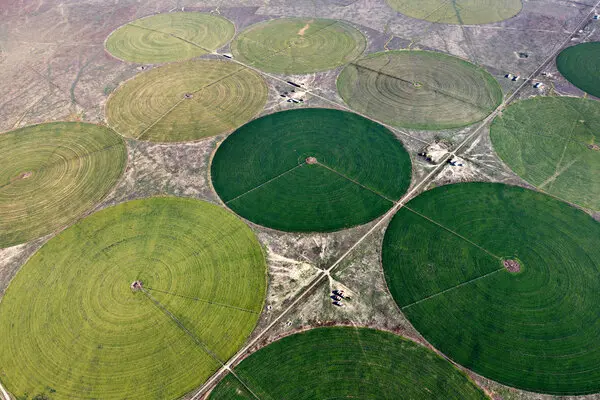
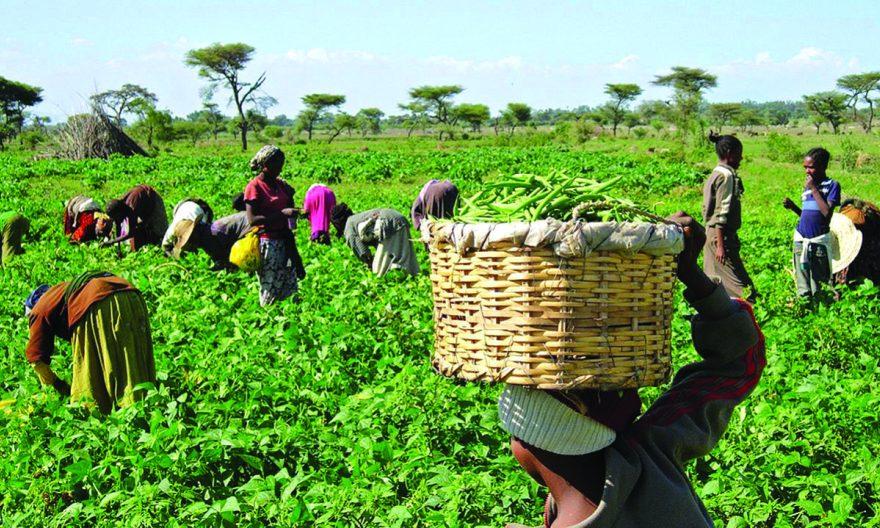
Roughly 700 million people across the Indian subcontinent depend on monsoon agriculture. A few days' error in monsoon onset shifts sowing, irrigation, and crop-insurance payouts across millions of hectares.

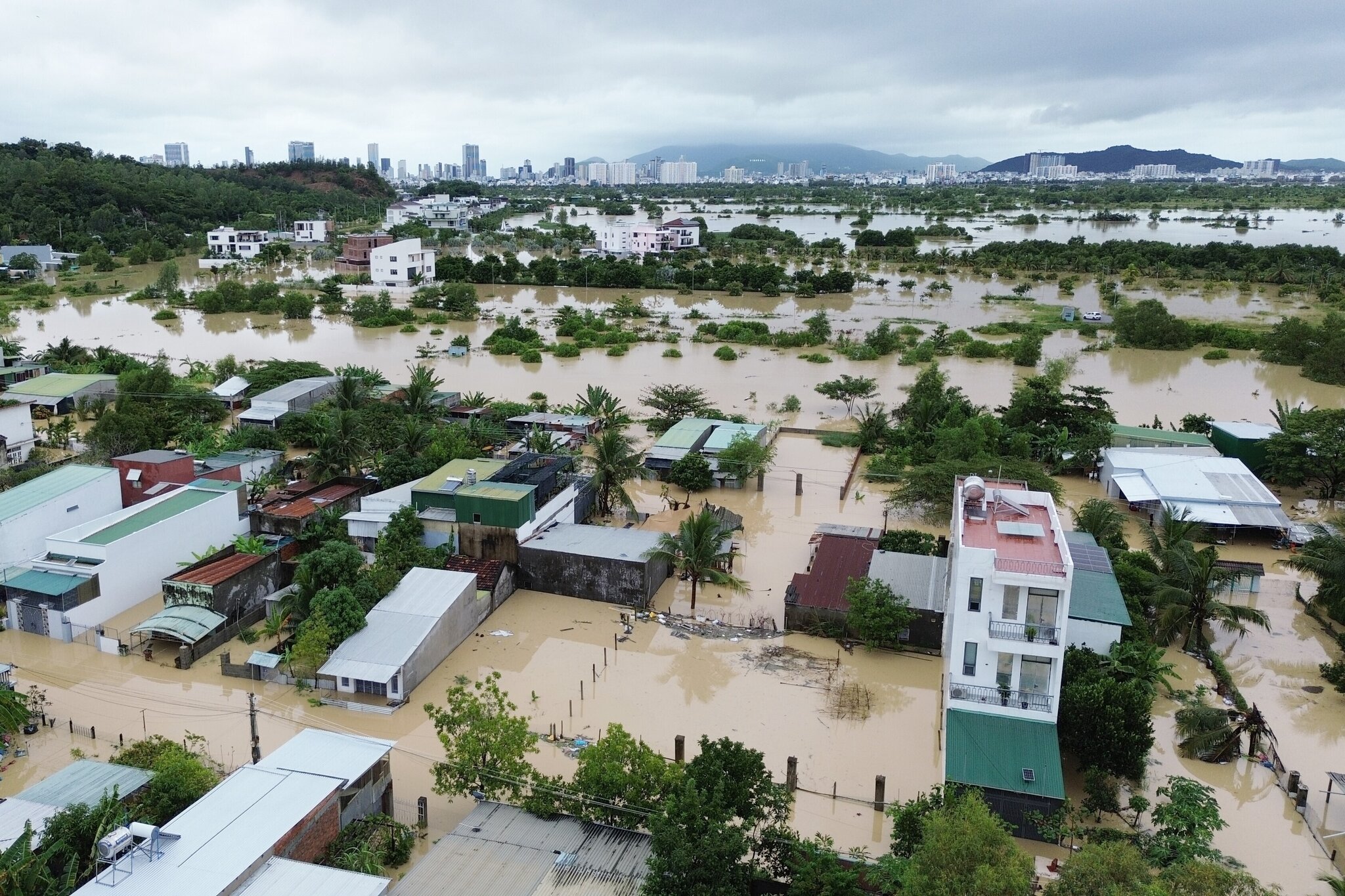
Cyclones, flash floods, and glacial lake outbursts kill when forecasts arrive late or at the wrong resolution. Sharper, earlier warnings are the difference between safe evacuation and disaster.

Resilient infrastructure, water systems, and city planning need climate projections that resolve a river basin, not a continent. Today's coarse models smear over the geographies they are meant to inform, misdirecting billions in adaptation funding.
The first AI weather model designed end-to-end for the regions current systems get wrong, every layer of the stack rebuilt for monsoons, tropical convection, and the climates of the Global South. Trained and evaluated against direct ground observations, not just reanalysis, so it works where forecasts matter most.
We are a growing team of scientists and engineers with deep roots at Stanford, MIT, Google, IIT, and NASA. We are building weather prediction systems for the three billion people across India, Africa, and Latin America whom current models systematically underserve.